


blog
Which VPN Currently Works in Iran? (Tested & Active in 2026)
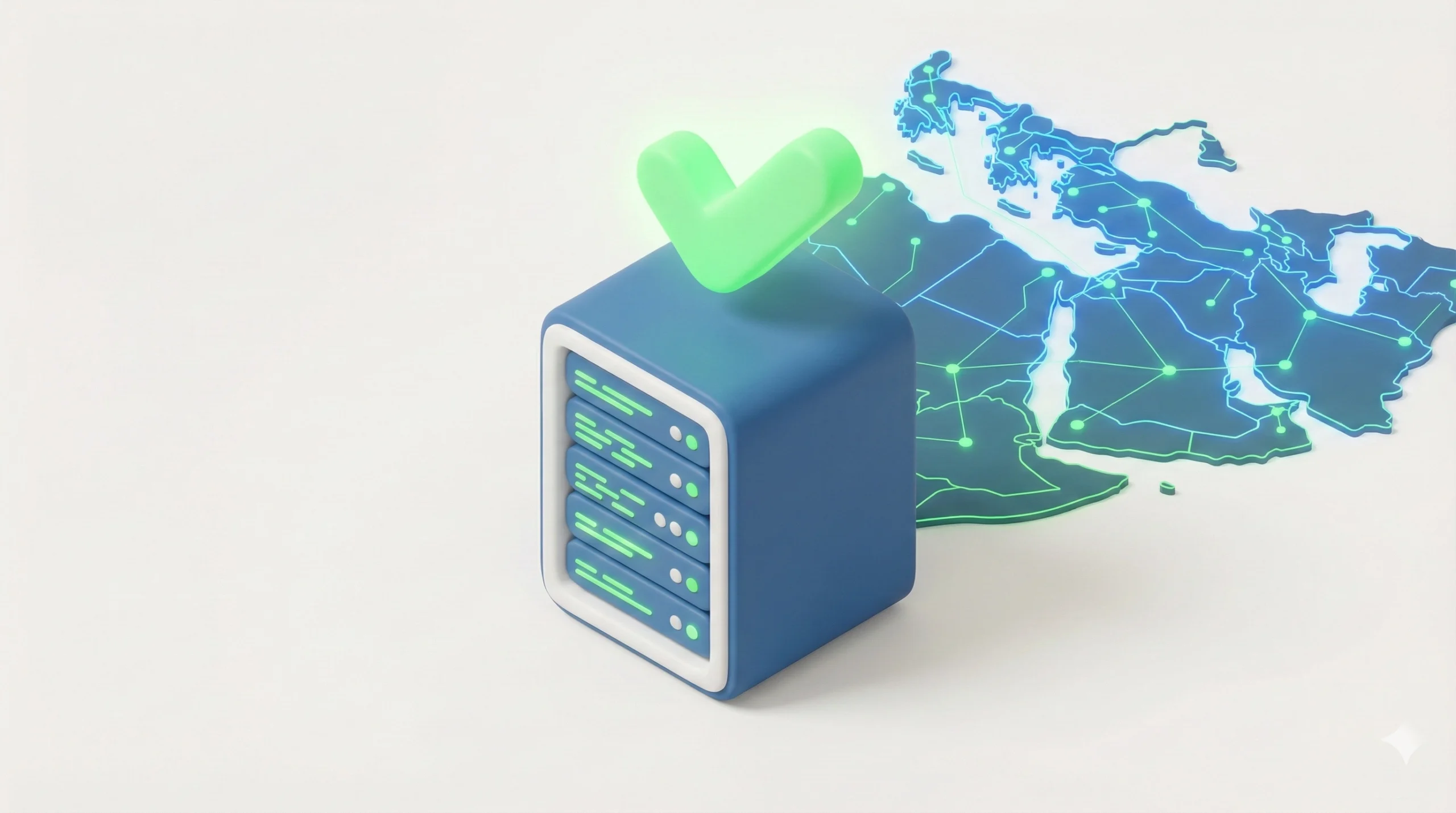
Currently, most mainstream commercial VPNs like NordVPN, ExpressVPN, or free App Store options are heavily restricted or completely blocked in Iran due to advanced Deep Packet Inspection (DPI). The only consistently working solutions are dedicated private servers using obfuscated protocols (such as V2Ray, Trojan, or customized tunneling) that disguise encrypted traffic as standard web browsing.
If you are trying to bypass the severe internet restrictions in Iran, you already know the frustration of downloading a highly-rated VPN app only to watch it get stuck on “Connecting…” forever. The digital landscape in Iran changes almost daily, with the national firewall aggressively identifying and blocking the server IP addresses of popular public VPN providers. In this guide, we will explain exactly what is working right now, why your old apps are failing, and how to establish a permanent, stable connection.
Why Popular Commercial VPNs Are Failing
Many users wonder why globally recognized VPN brands fail to operate inside Iran. The answer lies in how the national infrastructure filters traffic.
Standard VPN protocols, such as OpenVPN (without obfuscation), WireGuard, and IPsec, have distinct digital “signatures.” When you attempt to connect using these standard protocols, the local internet service providers (ISPs) can easily detect the nature of your traffic using DPI technology. Once they identify that the data packets belong to a VPN, they instantly drop the connection, regardless of how secure the VPN claims to be. Furthermore, the national firewall actively blacklists the known IP address ranges owned by large VPN companies.
The Shift to Obfuscation and Dedicated Tunnels
To successfully bypass these aggressive blocks in 2026, encryption alone is no longer enough; you need obfuscation. Obfuscation is a technology that scrambles your VPN traffic so that it looks exactly like regular HTTPS internet traffic (like browsing a secure banking website or a Wikipedia page).
When the local firewall inspects an obfuscated packet, it cannot recognize it as a VPN connection and therefore allows it to pass through. This is exactly why customized, private configurations succeed where public apps fail. By using premium, constantly updated routing methods like the ones provided by Easy Connect Sho, users can maintain a high-speed, uninterrupted connection. Instead of sharing a flagged IP address with thousands of other users on a free app, a dedicated service provides clean, optimized routing designed specifically to outsmart DPI systems.
Free VPNs vs. Premium Private Servers: The Hidden Cost
You might occasionally find a free VPN on a Telegram channel or the Google Play Store that connects for a few hours. However, these are almost always temporary “honeypot” solutions or heavily throttled servers.
Here is why relying on free VPNs in a highly restricted region is a bad idea:
- Severe Throttling: Free servers are overcrowded. You might be able to load a text page, but streaming a YouTube video, opening an Instagram reel, or making a WhatsApp voice call is impossible due to massive packet loss.
- Battery Drain: Free apps constantly drop the connection and attempt to reconnect in the background. This aggressive cycle drains your smartphone battery incredibly fast.
- Security Risks: Many free VPNs log your browsing history and sell it to third-party advertisers to make a profit. In restrictive regions, privacy should be your top priority.
- The “Whack-a-Mole” Game: Free IPs are public. The national firewall finds them and blocks them within days, forcing you to constantly search for new apps.
A premium dedicated connection eliminates this headache entirely. By utilizing specialized protocols tailored for the Iranian network infrastructure, you get a “set it and forget it” experience.
The Power of Advanced Protocols: V2Ray, Trojan, and Shadowsocks
When discussing which VPN currently works in Iran, we must move beyond traditional commercial applications and look at the underlying technology. The modern censorship landscape requires advanced proxy protocols like V2Ray (VMess/VLESS), Trojan, and Shadowsocks.
Unlike standard VPNs that broadcast their encrypted nature, these protocols are specifically engineered for highly restricted environments. Trojan, for example, mimics HTTPS traffic so perfectly that the national firewall simply sees a user visiting a secure, standard website (like an online banking portal). This is exactly the kind of technology utilized by premium services like Easy Connect Sho to ensure users maintain uninterrupted access to global networks, bypassing Deep Packet Inspection entirely.
Why Dedicated IPs and Clean Routing Are Crucial
Another major factor in maintaining connectivity is the IP address itself. Public VPNs share a single server IP among thousands of users. When the Iranian firewall detects massive amounts of encrypted traffic routing to a single unknown overseas IP, it automatically blacklists it. By using a dedicated or semi-dedicated routing configuration, your traffic flies under the radar. It resembles normal, low-volume business traffic rather than a mass-market proxy evasion tool.
Step-by-Step: How to Get a Reliable Connection in 2026
If you are tired of the endless cycle of downloading and deleting broken apps, here is the professional approach to securing your internet and bypassing restrictions smoothly:
- Stop relying on free public tools: They compromise your data, waste your smartphone’s battery by constantly reconnecting, and are the first targets for ISP blocking.
- Adopt stealth obfuscation: Ensure your provider uses VLESS, Trojan, or similar stealth protocols that disguise your traffic.
- Use optimized routing networks: Connect to servers that have optimized peering with Middle Eastern ISPs to drastically reduce latency and prevent ping drops during VoIP calls.
- Invest in premium configurations: Rely on specialized, dedicated services like Easy Connect Sho that constantly monitor network health and update server nodes proactively before they face throttling.
Frequently Asked Questions (FAQ)
1. Will NordVPN, ExpressVPN, or Surfshark work in Iran in 2026?
Generally, no. While these are excellent global providers, their standard server IPs are aggressively targeted and blocked by the Iranian national firewall. Even their built-in “obfuscated servers” frequently fail to connect during periods of severe internet throttling. You need localized, specialized proxy routing instead.
2. Why does my VPN connect, but Instagram and WhatsApp still won’t load?
This is a classic symptom of a “fake connection” caused by DNS hijacking or severe packet loss. Your VPN app might show a green “Connected” badge because it successfully pinged the server, but the local ISP is silently dropping the actual data packets containing your media or messages. Switching to a customized stealth protocol fixes this issue entirely.
3. Is it safe to use free VPNs from the Google Play Store or Telegram?
It is highly discouraged. Free VPNs often log your data, inject intrusive ads, and offer extremely poor speeds. In a restrictive network environment, using an unknown free proxy from Telegram can expose your personal data to interception. Always prioritize secure, paid configurations for your privacy.
View our specialized articles

How to Change Your VPN IP to Iran? (2026 Guide)
To change your IP address to Iran, you must use a specialized VPN provider that physically hosts private servers within
Is OpenVPN Blocked in Iran? 2026 Status & Solutions
Yes, standard OpenVPN connections are actively blocked by internet service providers in Iran using Deep Packet Inspection (DPI). While the
Does WhatsApp Need a VPN in Iran? Complete Guide & Solutions
Yes, WhatsApp is completely blocked in Iran, and you absolutely need a VPN or a specialized proxy to send messages,