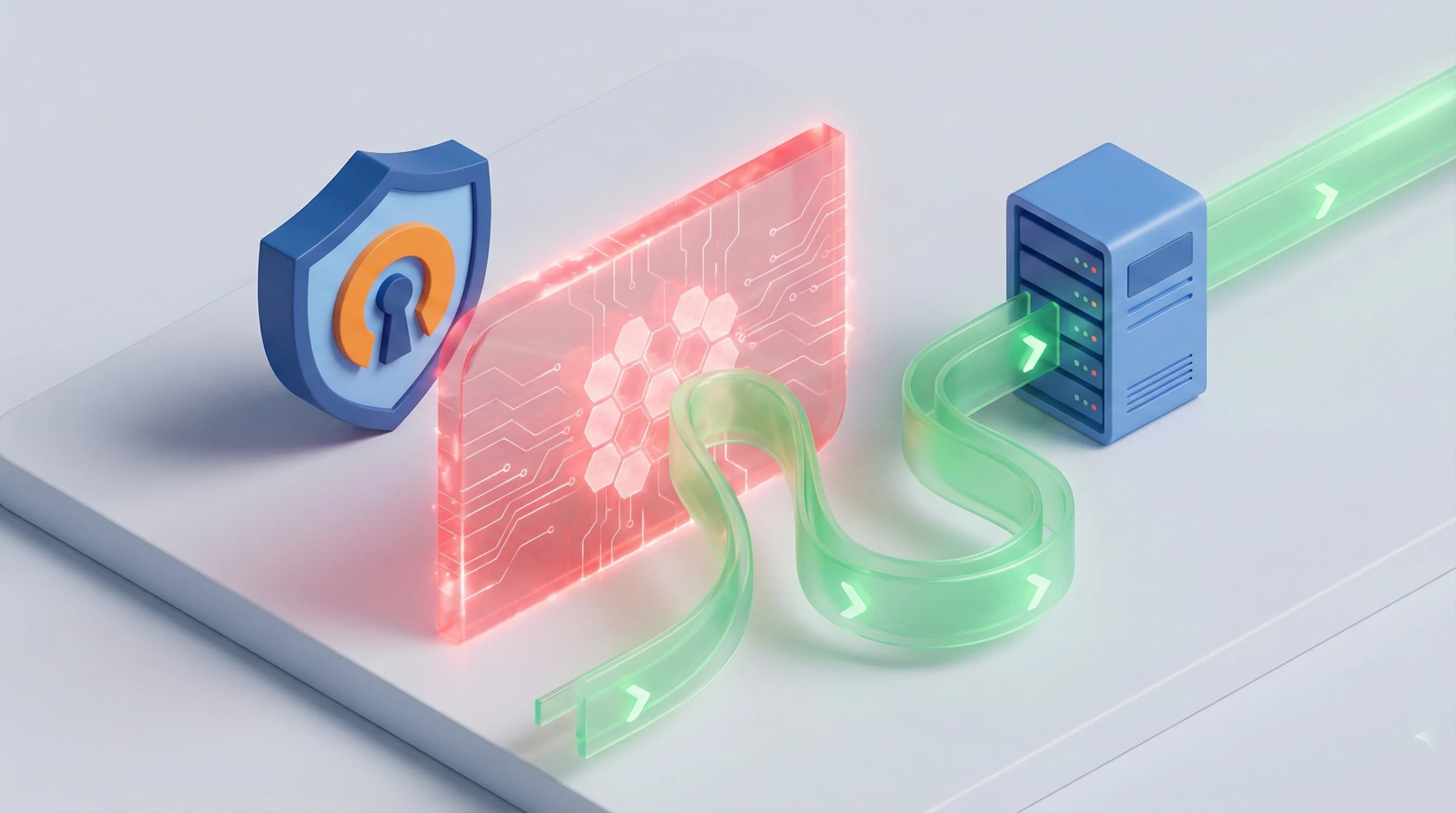
To change your IP address to Iran, you must use a specialized VPN provider that physically hosts private servers within Iranian data centers. By connecting to one of these dedicated servers through a secure tunneling app, your connection will immediately be assigned a local Iranian IP address, granting you full access to geo-restricted local services from anywhere in the world.
For millions of Iranian expatriates, students studying abroad, and international business owners, accessing essential digital services inside Iran has become increasingly difficult. Whether you need to check your bank balance, file taxes, or access judicial documents, you have likely encountered a strict “Access Denied” error. In this comprehensive guide, we will explain exactly why these blocks exist and how you can establish a secure, high-speed connection to the Iranian intranet.
Why Are Iranian Websites Blocked Abroad?
Over the past few years, Iran has heavily developed its National Information Network (NIN), essentially creating an isolated internal intranet. To protect sensitive infrastructure from international cyberattacks and manage server loads, many governmental and financial institutions have implemented strict geo-blocking policies.
This means that their servers are configured to automatically reject any incoming connection request that originates from a foreign IP address (such as an IP from Canada, Germany, or the United States). If your digital footprint does not show that you are physically located inside the country, the website simply will not load.
Essential Use Cases for an Iranian IP Address
Changing your VPN location to Iran is not just about browsing; it is a critical requirement for managing your life and assets. The most common platforms requiring a local IP include:
- Banking Applications: Major banks like Mellat, Melli, Sepah, and Tejarat strictly block foreign access to their internet banking portals and mobile applications to prevent fraud.
- Government Portals: Accessing the SANA system (for judicial affairs), MyGov.ir, or the tax administration requires a verified, secure local connection.
- University Networks: Students needing to access internal university databases (like the Golestan system) or submit assignments often need an IP address whitelisted by the Ministry of Science.
- Local Streaming Services: Platforms like Filimo or Namava restrict their media libraries to local users due to licensing agreements.
The Risk of Free and Public Iranian Proxies
When searching for a way to change their IP, many users make the critical mistake of using free Iranian proxies found on public forums or Telegram channels. Doing this when accessing financial or sensitive government data is incredibly dangerous. Public proxies are unencrypted, meaning the person hosting the proxy can easily intercept your banking passwords, national ID number, and personal communications.
Furthermore, bank security systems actively monitor for suspicious login activities. If you log into your bank account using a shared, public IP address that has been used by hundreds of other people, the bank’s automated fraud system will likely flag your account and permanently block your access, requiring you to visit a branch in person to unlock it.
How to Securely Buy an Iran VPN for Banking
The only safe, reliable method to access geo-restricted national platforms is by utilizing a premium service that provides a clean, dedicated static IP. A static IP ensures that you are the only person using that specific digital address, which prevents banking firewalls from flagging your account for suspicious activity.
If you are an expat looking to manage your financial and legal affairs without interruptions, you can easily buy Iran VPN through professional providers. These specialized configurations offer military-grade encryption, ensuring that your data remains completely private while giving you seamless, high-speed access to every local Iranian network, exactly as if you were sitting in Tehran.
Technical Setup: How to Connect to Iran from Abroad
Once you have secured a premium configuration, the process of changing your IP address is straightforward. Most professional services utilize highly stable protocols like V2Ray or L2TP/IPsec which are natively supported on both Android, iOS, and Windows.
To ensure a successful connection to Iranian banking systems, follow these three essential tips:
- Close all foreign apps: Before connecting, ensure your browser is not logged into any Google or Meta accounts that might leak your real GPS location.
- Clear your cache: If a banking website previously showed an “Access Denied” error, clear your browser cache or use “Incognito Mode” after connecting to the Iran VPN.
- Use a Static IP: For financial transactions, always request a static IP. This makes the bank’s security system recognize you as a “regular” user every time you log in, drastically reducing the risk of account locks.
By using the high-performance servers at Easy Connect Sho, you bypass the complexity of manual setup. You receive a ready-to-use configuration designed specifically to maintain high speeds even when crossing international network boundaries, providing you with a stable bridge back to your essential digital life in Iran.
Frequently Asked Questions (FAQ)
1. Is it legal to use a VPN to get an Iranian IP address?
Yes. Iranian expatriates use these services daily to manage their personal bank accounts, pay utility bills, or handle judicial matters through the SANA system. It is a legitimate tool for maintaining access to your personal and financial assets while living abroad.
2. Can I use a free VPN to access my Iranian bank account?
It is strongly advised against. Free VPNs often use “dirty” IP addresses that have been blacklisted by banks. More importantly, they lack encryption, putting your sensitive banking credentials at high risk of being stolen by the proxy owner.
3. Will an Iran VPN work for watching Filimo or Namava?
Yes, a premium Iran VPN will bypass the geo-restrictions on local streaming platforms. However, ensure your provider offers unlimited bandwidth, as video streaming consumes large amounts of data and requires a low-latency connection to prevent buffering.
4. Does changing my IP to Iran affect my local internet speed?
Because your traffic must travel to an Iranian data center and back, you may notice a slight increase in “ping” or latency. However, with an optimized routing network, this delay is minimal and won’t affect standard tasks like web browsing or using banking apps.